
Introduction
As humans, we are innately curious beings, constantly seeking purpose and significance in our lives. The concept of the meaning of life has been a subject of contemplation and debate for centuries, captivating the minds of philosophers across various cultures and time periods. In this article, I will delve into the philosophical perspectives on the meaning of life, exploring the intricacies and complexities of this age-old question.
Defining the Concept of Meaning
To understand the meaning of life, one must first grasp the very essence of the concept of “meaning” itself. What does it mean for life to have meaning? Is it about achieving personal happiness, making a positive impact on society, or finding spiritual enlightenment? Philosophers have offered diverse interpretations, each shedding light on this elusive notion.
Exploring the Quest for the Meaning of Life
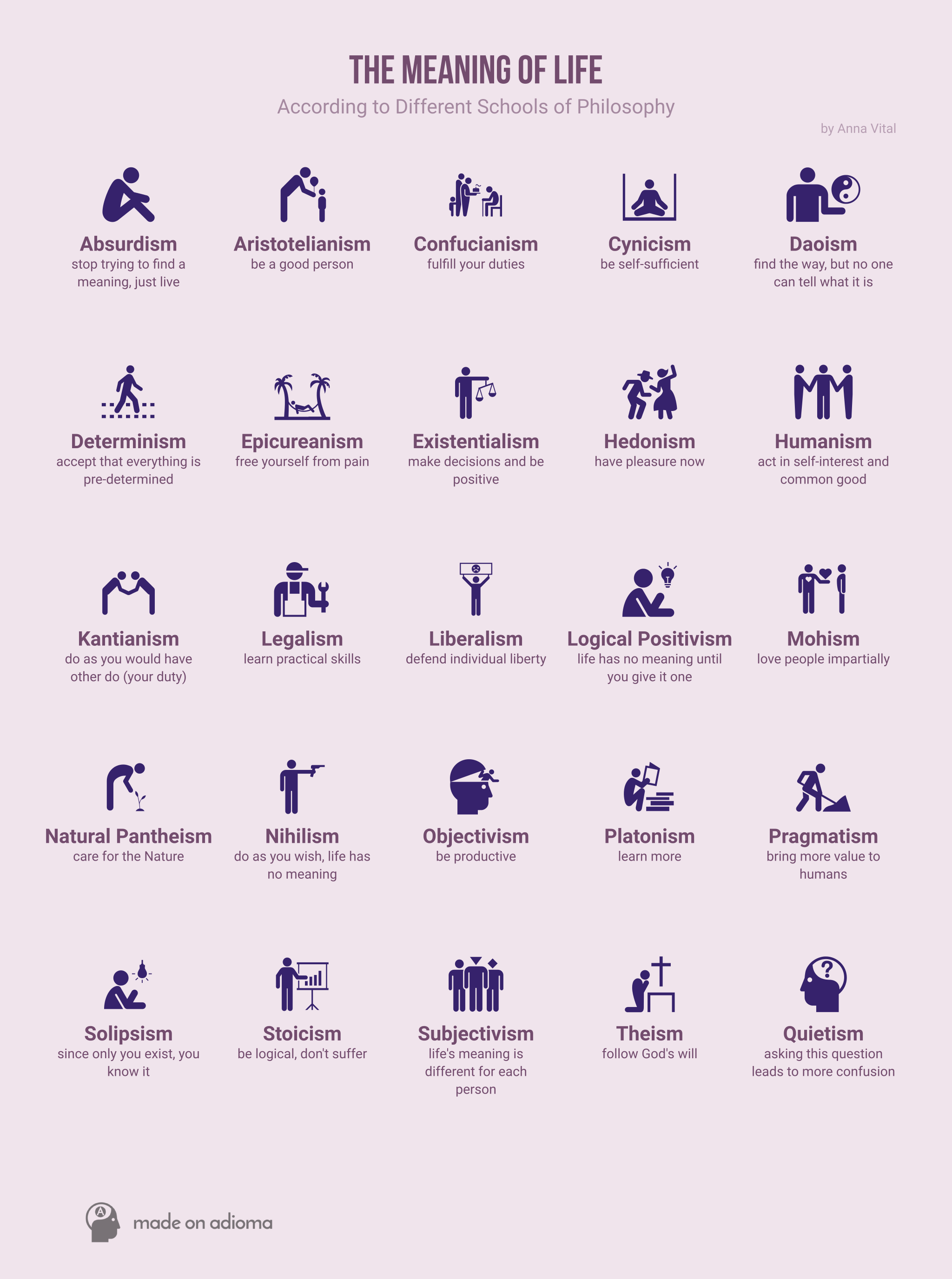
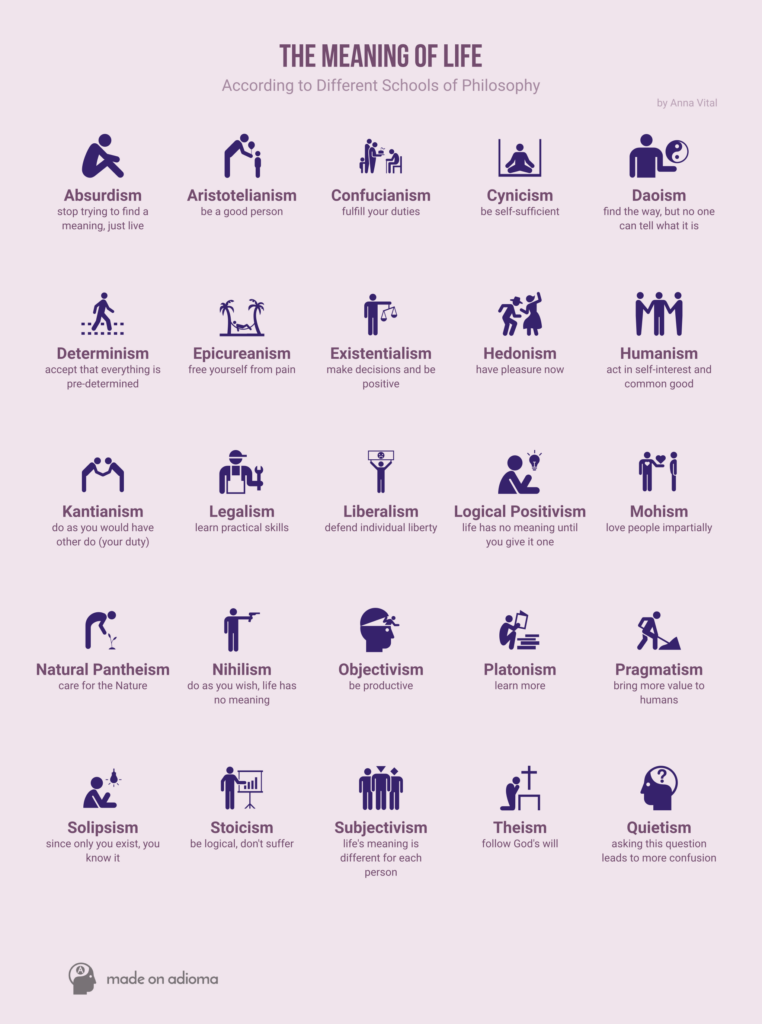
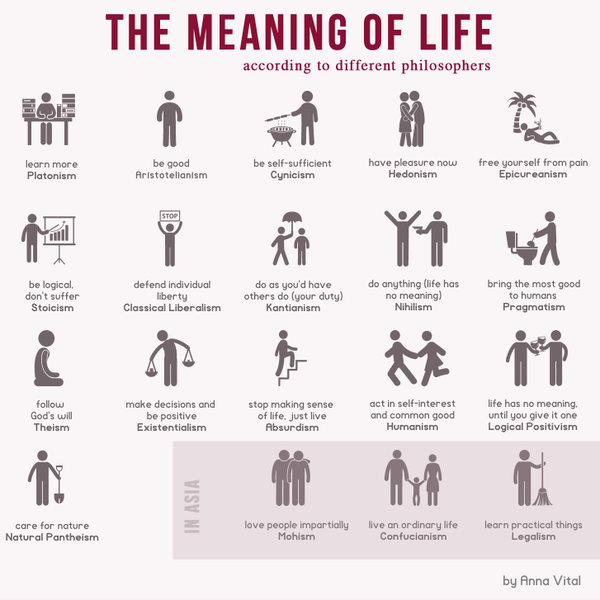
The quest for the meaning of life transcends cultural, religious, and societal boundaries. From the existentialist perspective that advocates individual freedom and personal responsibility to the nihilistic belief that life is inherently meaningless, each philosophical perspective offers a unique lens through which we can approach this profound question.
Significance of Philosophical Perspectives
Philosophical perspectives on the meaning of life hold immense significance as they challenge our preconceived notions and invite us to critically examine our existence. By exploring these perspectives, we are encouraged to ponder our purpose, values, and priorities, ultimately leading to a deeper appreciation and understanding of our own lives.
In this article, we will navigate through the intricate tapestry of philosophical perspectives on the meaning of life, shedding light on the diverse viewpoints and providing a space for contemplation and introspection. Join me as we embark on this intellectual journey to unlock the profound mysteries that lie at the heart of our existence.
Existentialism
Existentialism is a philosophical perspective that explores the meaning of life from a subjective and individualistic point of view. As an existentialist, I believe that life’s purpose is not predetermined or imposed by external forces, but rather constructed and discovered through personal choices and experiences.
Introduction to Existentialism
Existentialism emerged in the 19th and 20th centuries as a response to the increasing uncertainty and existential angst brought about by societal and technological advancements. It rejects the idea of a universal, objective meaning of life and instead focuses on the unique experience of each individual. Existentialists like Jean-Paul Sartre and Albert Camus argue that the search for meaning should be a deeply personal and authentic journey, rooted in our freedom to make choices and take responsibility for our actions.
Existentialist Views on Life’s Meaning
According to existentialists, the meaning of life cannot be discovered through religious or metaphysical beliefs, but only through our own lived experiences. Each individual must confront the inherent absurdity and uncertainty of existence and create their own purpose in life. This entails embracing our freedom and accepting the responsibility of defining who we are and what we value.
Emphasizing Individual Responsibility
Existentialism places great emphasis on individual responsibility for creating meaning and shaping our own lives. We are not victims of circumstance or determined by external forces; rather, we have the power to bring purpose to our existence. This emphasis on personal agency compels us to take ownership of our choices and actions and recognize the impact they have on ourselves and others.
existentialism offers a philosophical perspective that encourages individuals to confront life’s ultimate questions and create their own meaning. It affirms the importance of personal responsibility and encourages us to embrace our freedom to shape our own lives. Through embracing existentialism, we can embark on a personal journey of self-discovery and find fulfillment in the choices we make.
Nihilism
Introduction to Nihilism
Well, here we are, diving into the murky waters of philosophical perspectives on the meaning of life. And what better place to start than with nihilism? Nihilism, my friends, is the belief that life is ultimately meaningless, devoid of any inherent purpose or value. But hold on, don’t start feeling all down and gloomy just yet. Let’s explore this perspective a bit further.
Nihilistic Perspective on Life’s Meaning
According to the nihilistic view, life’s meaning is nothing more than a mere illusion. For the nihilists among us, all our striving, our hopes, dreams, and aspirations, they don’t mean much in the grand scheme of things. It’s as if someone plucked the strings of the universe, producing a hauntingly beautiful melody, only to declare that the music is empty, lacking any real tune.
The Absence of Inherent Purpose or Value
Nihilism argues that there is no inherent purpose or value to be found in life. In this perspective, the universe is essentially indifferent, and any meaning or purpose we find is simply imposed upon it by human interpretation. So, when we ponder the meaning of life as nihilists, we confront the unsettling notion that we are essentially floating in a vast sea of emptiness, searching for something that may not ultimately exist.
Final Thoughts
Nihilism challenges us to reassess our assumptions about life’s meaning and forces us to question whether we can find purpose in a seemingly purposeless world. It’s a philosophical perspective that pushes the boundaries of our understanding, leaving us contemplating our existence and the significance we attach to it. But fear not, my friends, for even in the face of nihilism, there are other philosophical perspectives waiting to be explored, offering alternative interpretations of the meaning of life. So, let’s continue our philosophical journey to uncover more enlightening viewpoints.
Hedonism
Introduction to Hedonism
Hedonism is a philosophical perspective that seeks to answer the age-old question of the meaning of life by focusing on the pursuit of pleasure and personal fulfillment. According to this perspective, the ultimate goal of human existence is to maximize pleasure and minimize pain. In other words, hedonists believe that the purpose of life is to experience as much pleasure as possible and avoid suffering.
Hedonistic Approach to Life’s Meaning
From a hedonistic viewpoint, the meaning of life lies in the pursuit of pleasure. This means that individuals should strive to engage in activities that bring them joy, satisfaction, and happiness. Hedonists argue that life is fleeting, so it is important to make the most of it by indulging in pleasurable experiences. This perspective emphasizes the importance of self-gratification and personal well-being.
Pursuit of Pleasure and Personal Fulfillment
Hedonists believe that the key to a meaningful life is the relentless pursuit of pleasure and personal fulfillment. This can include seeking out pleasurable sensations, engaging in enjoyable activities, and cultivating positive relationships. By focusing on maximizing happiness and minimizing suffering, hedonists aim to create a life that is fulfilling and worthwhile.
hedonism offers a perspective on the meaning of life that prioritizes pleasure and personal fulfillment. According to this philosophy, the ultimate goal is to lead a life filled with joy and satisfaction, where the pursuit of pleasure becomes the guiding force in decision-making and goal-setting. By embracing this hedonistic approach, individuals can strive for a life that is both pleasurable and meaningful.
Religious Perspectives
When seeking answers to life’s ultimate questions, many turn to their religious beliefs for guidance. Exploring the philosophical perspectives on the meaning of life from a religious standpoint can shed light on the diverse ways in which different faiths approach this age-old quandary.
Exploring Various Religious Beliefs
Religious perspectives on the meaning of life vary significantly across diverse traditions such as Christianity, Islam, Hinduism, Buddhism, and Judaism. Each religion offers its unique insights and interpretations, providing followers with a framework within which they can find purpose and understanding.
Religious Concepts of Life’s Meaning
Religious beliefs often attribute the meaning of life to a higher power or divine purpose. These perspectives emphasize the importance of fulfilling specific religious duties, cultivating moral virtues, and seeking spiritual enlightenment.
The Role of Faith and Spirituality
Faith and spirituality are central to religious perspectives on the meaning of life. Followers believe that through their connection with a higher power and adherence to religious teachings, they can find a sense of purpose, peace, and fulfillment.
In exploring religious perspectives on the meaning of life, it becomes clear that faith and spirituality play a crucial role in shaping individuals’ understanding of their purpose in the world. From Christianity’s emphasis on salvation to Buddhism’s focus on non-attachment, each religion offers its unique insights into life’s meaning, allowing followers to navigate their existence with a sense of direction and significance.
Conclusion
The meaning of life is a complex and deeply personal subject, with various philosophical perspectives offering insights into its nature. Throughout this article, we have explored different facets of life’s meaning and considered how individual perspectives can shape our understanding.
The Multifaceted Nature of Life’s Meaning
Life’s meaning is not a singular concept, but rather a multifaceted phenomenon that encompasses various dimensions. It can involve personal fulfillment, the pursuit of knowledge, fostering meaningful relationships, or contributing to society. Each individual may have their own unique interpretation and experience of what gives their life meaning.
Considering Individual Perspectives
Philosophical perspectives encourage us to consider the importance of subjective experiences and personal values when contemplating the meaning of life. What may be meaningful to one person may not hold the same significance for another. Acknowledging and respecting individual perspectives is crucial in appreciating the diversity of life’s meanings.
Continuing the Search for Meaning
The quest for meaning is an ongoing journey. Philosophical perspectives on the meaning of life provide us with different lenses through which we can explore and understand this fundamental aspect of our existence. While definitive answers may remain elusive, the exploration itself yields valuable insights and fosters personal growth.
In conclusion, the meaning of life is a deeply personal and complex subject that invites contemplation and exploration from various philosophical perspectives. By recognizing its multifaceted nature, valuing individual perspectives, and embracing a lifelong search, we can engage in a meaningful existence.