
The Importance of Learning How to Start a Fire
As a kid, I loved going camping with my family. One of my favorite parts was sitting around the campfire at night, roasting marshmallows and telling stories. But camping isn’t just about having fun – it’s also about being prepared. That’s why learning how to start a fire is so important!
Survival Skill 101
If you get lost in the wilderness or your car breaks down in a remote location, being able to start a fire could save your life. Fire has many uses in a survival situation: it can keep you warm, cook your food, and signal for help. But starting a fire isn’t always easy, especially if you don’t have matches or a lighter. That’s why it’s important to learn different ways to start a fire using materials you can find in the wilderness.
The Emotional and Psychological Benefits of Fire
Fire isn’t just useful for survival – it also has emotional and psychological benefits. Sitting around a campfire with friends and family can be a calming and relaxing experience. It’s a chance to disconnect from the distractions of daily life and engage in meaningful conversations. Plus, watching the flames dance can be mesmerizing and help you de-stress.
When You Need To Start a Fire
There are many situations where you might need to start a fire. Maybe you’re camping in the wilderness, or maybe the power went out during a storm and you need to stay warm. Whatever the reason, knowing how to start a fire can help you feel more confident and prepared. But be careful – fire can be dangerous if not handled properly. Always make sure you’re following safety guidelines and using materials that are not wet or rotten.
Learning how to start a fire is an important skill for any kid who likes outdoor activities. It’s not just about having fun – it’s about being prepared and staying safe. Plus, there’s something special about sitting around a campfire and watching the flames dance. So grab some tinder and kindling, and let’s get started!
The Four Stages of Building a Fire and Their Importance
Building a fire is one of the most important survival skills to learn. Fire can provide warmth, light, and the ability to cook food. But starting a fire can be tricky, especially if you’re not familiar with the four stages of building a fire.
Stage One: Fire Preparation
Before starting a fire, you need to prepare. First, choose the location of your fire. You should choose a level, open area away from any trees or other flammable objects. Then, you need to gather your firewood. Fuel for the fire starts with tinder and kindling. Tinder can be anything that catches fire easily, like dry leaves, grass, or twigs. Kindling is slightly larger than tinder, and it helps sustain the fire once it has started.
Stage Two: Fire Starting
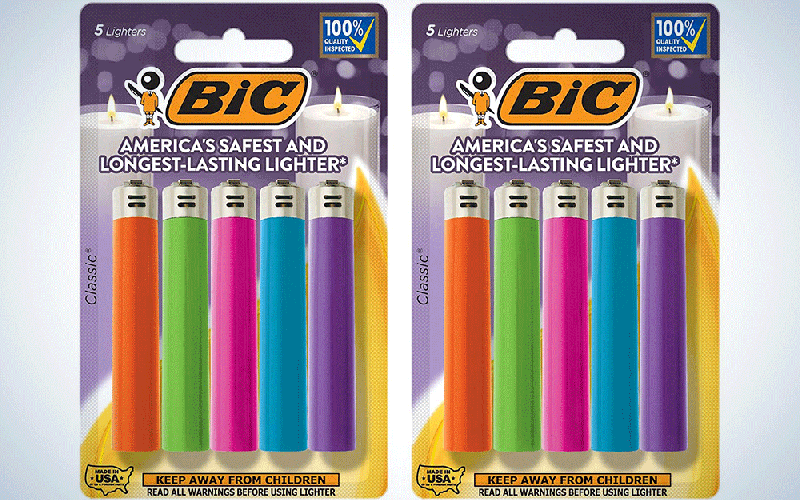
Once you have your firewood and chosen your location, it’s time to start your fire. There are different fire lay options to choose from depending on your goal. Modern fire starting utilizes tools such as BIC lighters, ferro rods, storm matches, and flares. Choose the ignition method that works best for you.
Stage Three: Fire Maintenance
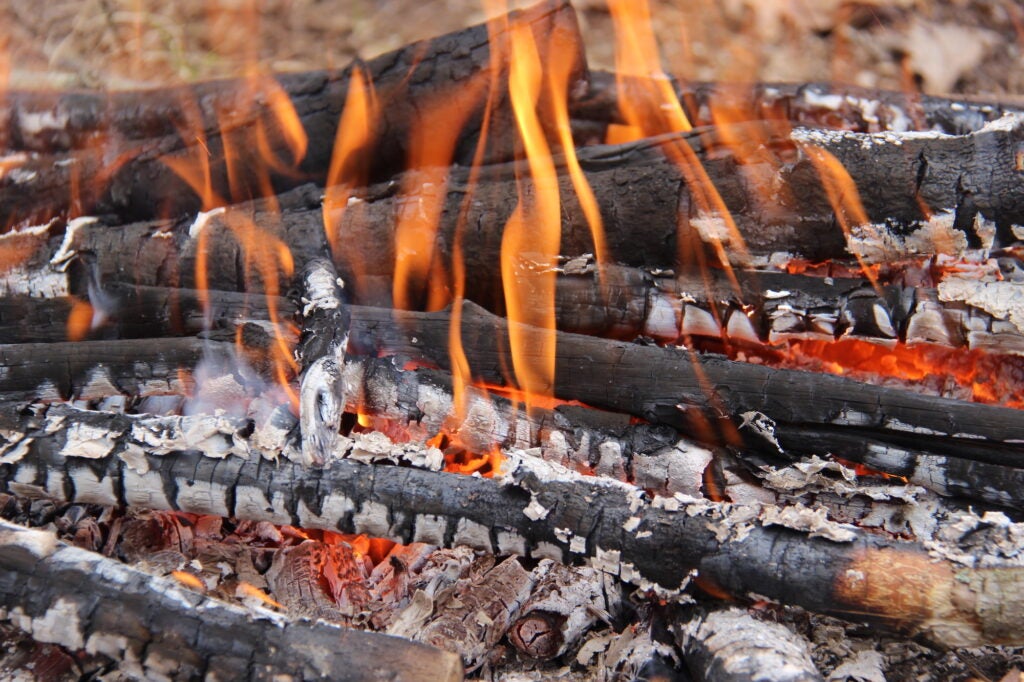
Maintaining your fire is crucial. Once your fire is going, add larger pieces of wood to keep it burning. Be sure to keep an eye on the fire’s size and shape so it does not get out of control. And most importantly, never leave your fire unattended.
Stage Four: Fire Extinguishing
When it’s time to put out your fire, make sure you do it safely. Water is the best way to extinguish a fire because it cools it quickly and prevents re-ignition. Alternatively, you can extinguish or bank your fire for later use.
Starting a fire can be challenging, but with these four stages, you can do it safely and effectively. Remember to avoid common mistakes, such as picking wet materials, using rotten wood, and choosing the wrong ignition method. Stick to the steps, and you’ll have a successful fire in no time!
Different Fire Lay Options for Different Goals
As a survival skill, starting a fire is crucial. But it’s not just about flicking a lighter or rubbing sticks together. Building the fire lays the foundation for a safe and successful burn.
Lean-to Fire
If you’re in a hurry, the lean-to fire lay is the way to go. This fire lay is incredibly efficient when it comes to catching fire quickly. Start by finding a long, sturdy branch. Place one end onto the ground and begin leaning smaller branches at an angle against it. Leave an opening on the high side for the fire to be lit. Light your tinder bundle and put it at the opening.
Teepee Fire
If you’re looking for a fire that lasts longer, try building a teepee fire lay. Start by gathering a heap of dry kindling and placing it in the center of your fire site or fire pit. Then lean larger sticks and logs around them, forming a teepee. Leave a small opening at the bottom to light the kindling.
Log Cabin Fire
The log cabin fire lay is perfect for cooking or warmth. You start by arranging two large logs parallel to each other spaced about a foot apart. Then, stack another two logs on top, perpendicular to the first, creating a square. Continue stacking, alternating the direction of each layer until you reach the desired height.
Star Fire
The star fire lay is great for larger fires, as it allows for more air to flow through it. Start by placing logs in a star shape, with each end of the log pointing toward the center. Create a small teepee of kindling in the center of the star and light it up.
Pyramid Fire
The pyramid fire lay is a great option if you have wet kindling. Start by building a teepee with the wet kindling in the center. Then add larger sticks and branches around it, forming a pyramid shape. Light the kindling and allow it to dry the surrounding materials before adding more.
It’s important to remember that starting a fire is not as easy as it seems, but with practice and the right tools and materials, anyone can do it. Choose the right fire lay option, and keep in mind the fire’s purpose, whether it’s for cooking, warmth, or signaling for help. Always extinguish the fire completely before leaving the site.
Fuel for the Fire: Tinder and Kindling
Starting a fire requires two types of fuel: tinder and kindling. Tinder is the initial material that will ignite and start the fire, and kindling is the next level of fuel that will keep the fire going.
The Different Types of Tinder
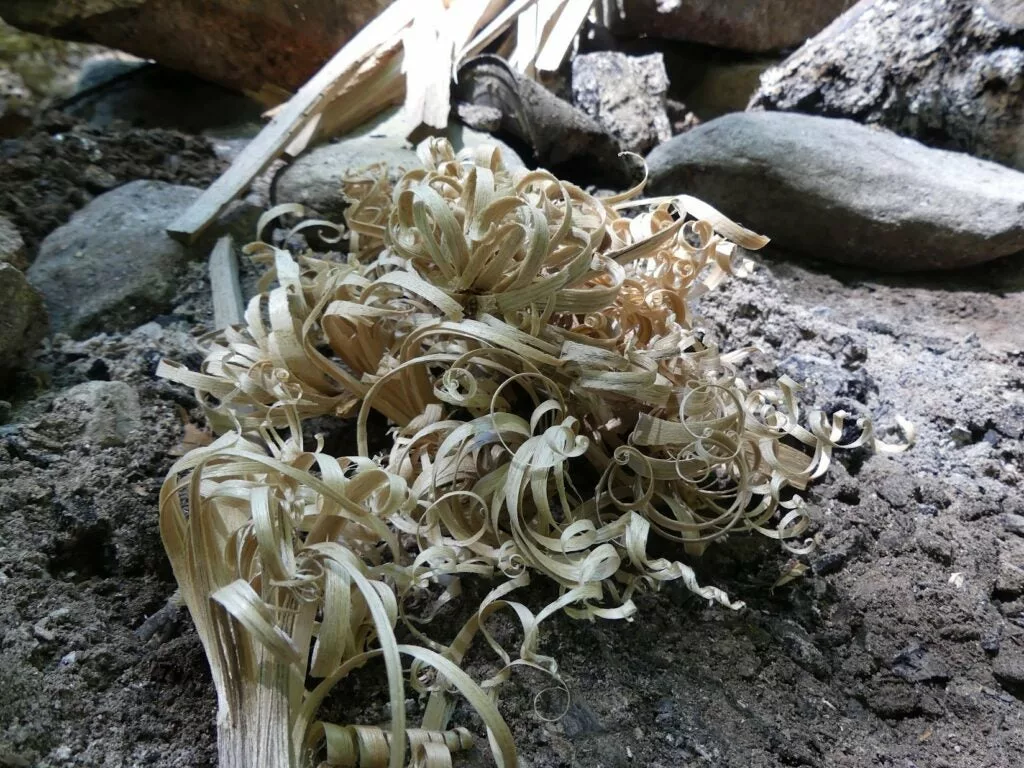
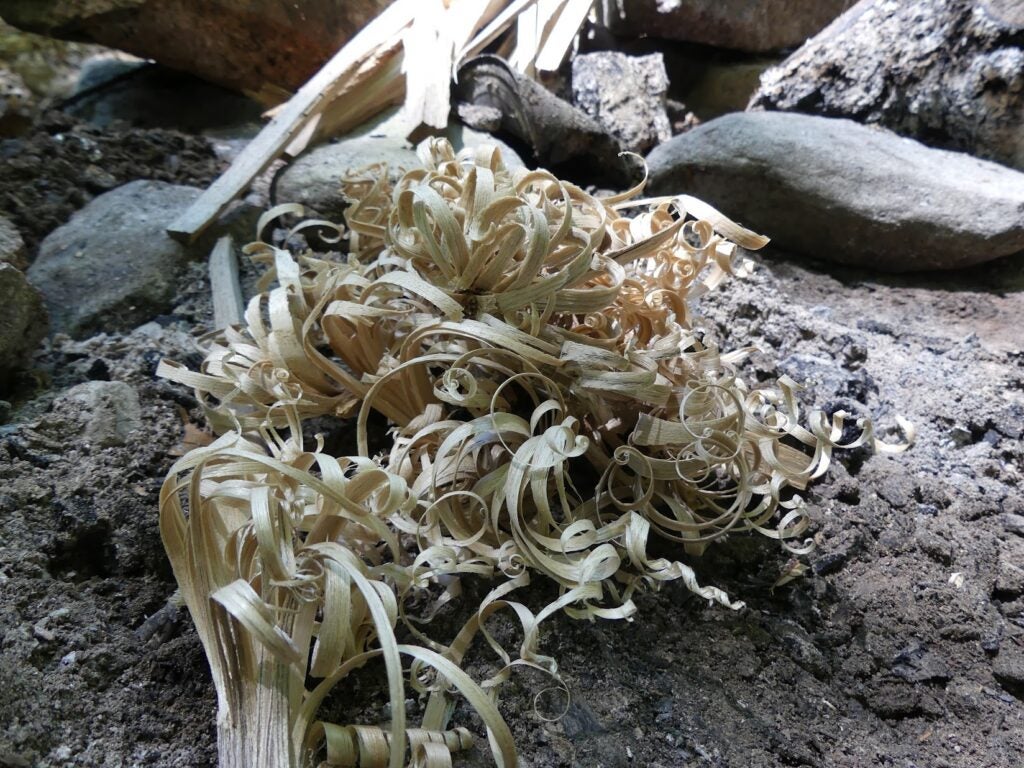
When it comes to tinder, there are several options to choose from. Dry grass, leaves, and bark are all examples of natural tinder that can be found in the wilderness. Cotton balls, dryer lint, and even potato chips can also work as makeshift tinder.
The Different Types of Kindling
As for kindling, aim for sticks and twigs that are no thicker than your thumb. Fallen branches and dry small logs also make great kindling. Make sure they are dry and avoid using green wood or wood that is rotten.
How to Find Dry Tinder and Kindling in the Wilderness
In the wilderness, it’s crucial to use dry materials to start your fire. Look for dead branches that are still attached to the tree or that have fallen off and are lying on the ground. These can be used for kindling. Dry leaves that have fallen onto the forest floor also make great tinder.
If you can’t find dry materials, you can use a knife to shave dry strips off the inside of a dead branch or tree trunk to make your own tinder. Just make sure to avoid using resinous wood as they can burn too hot and too fast.
Remember, always be safe when starting a fire. Check for any fire restrictions in your area, clear an area around your fire, and have water nearby in case your fire gets out of control. By following these guidelines for fuel, you’ll be on your way to starting a successful fire in no time!
Modern Fire Starting Tools and Techniques
Starting a fire is an important skill to have when you’re camping or in a survival situation. There are many different ways to start a fire, but modern tools make it a lot easier. Here are some popular tools to help you start a fire:
BIC Lighter
A BIC lighter is a small, handheld device that creates a flame when you press a button. It’s a reliable way to start a fire, and you can find one at almost any convenience store. To use a BIC lighter, hold it upright and open the lid. Then, press the button and hold the flame over your tinder until it catches fire.
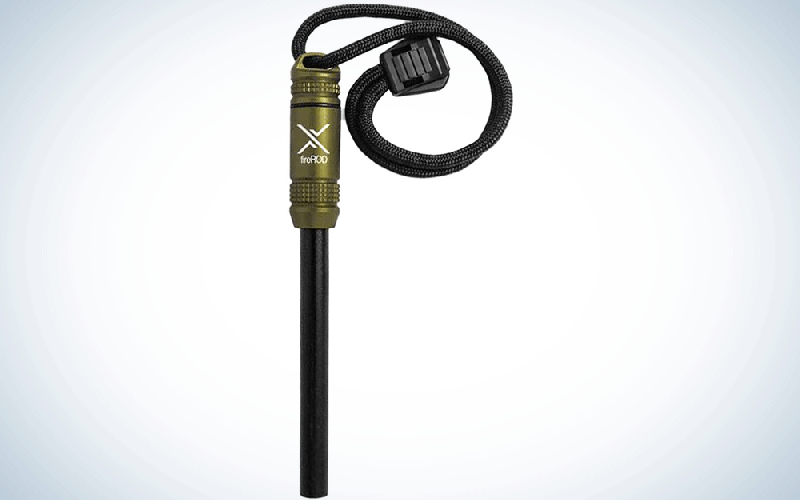
Ferro Rod
A ferro rod is a small, metal rod that creates sparks when you scrape it with a sharp edge. It’s a popular fire-starter among survivalists because it works in all weather conditions. To use a ferro rod, hold it in one hand and a sharp edge in the other. Then, scrape the rod quickly and firmly to create sparks.
Storm Matches
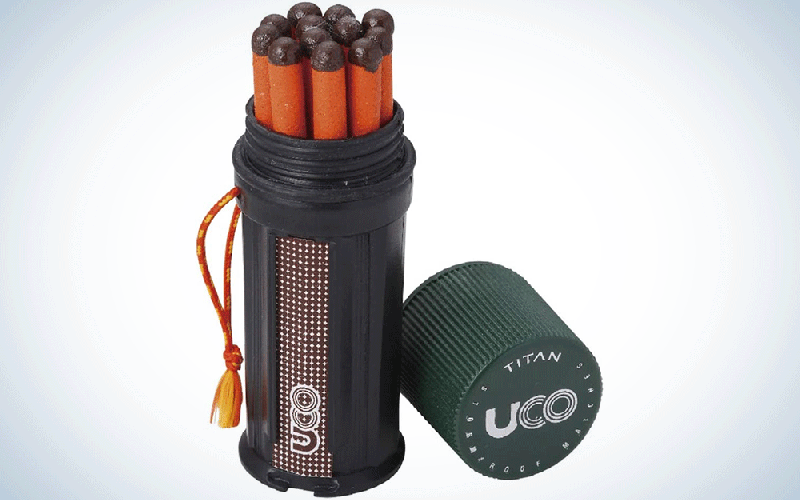
Storm matches are a type of waterproof match that work well in rainy conditions. They come in a small, waterproof container and have an extra-long stem to protect your hands from the flame. To use storm matches, strike them on the container or a rough surface, and then hold the flame over your tinder until it catches fire.
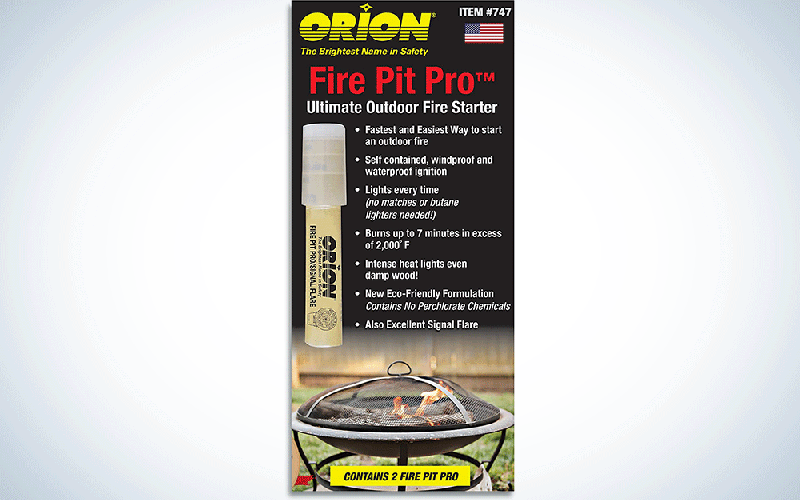
Flares
Flares are bright, burning sticks that are used to signal for help or light up a campsite. They’re not as reliable as other fire-starting methods because they only burn for a short time. To use a flare, ignite the tip and hold it over your tinder until it catches fire.
Remember, no matter which tool you use, it’s important to start with dry tinder and kindling. You should also choose the right fire lay for your needs and be careful when putting out a fire. With practice and the right tools, you can become a pro at starting fires in no time.
Extinguishing and Banking Your Fire for Later Use
Starting a fire is important, but learning how to extinguish and bank your fire for later use is just as crucial. You never know when you might need to put out your fire quickly or save it for later. Here are some steps to help you safely extinguish and bank your fire.
How to Safely Extinguish Your Fire
- Remove any fuel sources. Before you can extinguish your fire, you need to remove any remaining fuel sources near the fire, such as logs and branches.
- Pour water over the fire. Pour water over the fire until it is completely out. Be sure to use enough water to completely saturate the fire and surrounding area.
- Stir the ashes. Use a shovel or stick to stir the ashes to ensure that they are all wet and cooled down.
- Repeat the process. Pour more water over the ashes and stir them until they are completely cool to the touch.
Always make sure your fire is fully extinguished before leaving the area.
How to Bank Your Fire for Later Use
- Push the remaining logs to the side of the fire pit, leaving a clear area in the middle of the pit.
- Add fresh fuel. Add fresh fuel to the clear area of the pit. This will help your fire start up again later.
- Cover the remaining logs. Cover the remaining logs with dirt or sand. This will help keep them dry and safe from the rain.
- Use caution when restarting the fire. When you’re ready to start it up again, use caution and slowly add more fuel to the remaining logs.
Using Your Banked Fire to Start a New Fire
Using a banked fire to start a new fire can really save you time and effort. Here’s how to do it:
- Prepare your fire lay. Depending on your goal, choose the fire lay you want to build around your banked logs. Some options include teepee, lean-to, and log cabin.
- Uncover the logs. Remove the covering of dirt or sand from the banked logs, and add your tinder and kindling on top of them.
- Light the tinder. Using your preferred ignition method, light the tinder and watch as your banked logs start to burn.
- Add more fuel. Slowly add more logs to the fire as needed. Remember to gradually increase the size of the logs to avoid smothering the fire.
By following these steps, you’ll be able to safely extinguish and bank your fire for later use, and then even use it to start a new fire when you need it.
Common Mistakes to Avoid When Starting a Fire
When it comes to starting a fire, there are some common mistakes that can make the process difficult. Here are a few things to avoid:
Picking Wet Materials
One big mistake people make is picking materials that are wet. This can make it almost impossible to start a fire. You want to look for dry materials, such as dead branches, leaves, and grass. It’s also important to make sure your kindling is dry before you start building your fire.
Using Rotten Wood
Another mistake people make is using rotten wood. This wood won’t catch fire easily and can produce a lot of smoke. Make sure you’re using wood that’s dry and in good condition. You can tell if wood is rotten by looking for soft spots and discoloration.
Choosing the Wrong Ignition Method
Finally, choosing the wrong ignition method can make starting a fire difficult. For example, using a flimsy match in windy conditions isn’t going to work well. Instead, opt for a sturdy BIC lighter or a ferro rod that can create sparks even in tough conditions. Make sure you have the right tool for the job, and you’ll have a much easier time starting your fire.
By avoiding these common mistakes, you’ll be well on your way to successfully starting a fire. Remember, starting a fire is an important skill to have, but it takes practice to get it right. With the right materials and tools, you’ll be able to start fires in no time!

FAQs
What is the most efficient way to build a fire?
The most efficient way to build a fire is to follow the four stages. First, prepare your fire by collecting dry materials and making a fire lay. Second, start your fire by using a reliable ignition source. Third, maintain your fire by adding fuel such as kindling and logs. Fourth, extinguish your fire safely when you’re done using it. Remember, practice makes perfect!
What materials should I use to build my fire?
To build a fire, start with tinder such as dry grass or shredded bark. Then, move on to kindling such as small twigs or branches. Finally, add logs or other larger fuel sources. It’s important to choose dry materials that will burn easily. Avoid wet or rotten materials which can smother your fire.
What fire starting tool is best for me?
There are many different fire starting tools available such as BIC lighters, ferro rods, storm matches, and flares. It’s important to choose a tool that you feel comfortable with and practice using it before you need it. Remember, even matches can fail in damp conditions, so always have a backup plan.
How do I extinguish my fire safely?
To extinguish your fire safely, first, remove any fuel sources by pushing them away from the fire. Next, pour water on the fire until it is completely out. Be sure to stir the ashes to make sure there are no hot coals remaining. Finally, use the back of your hand to test the ashes for heat. If it’s cool to the touch, it’s safe to leave.
Can I leave my fire unattended?
No, it’s not safe to leave your fire unattended. Always have someone watch the fire or extinguish it completely before leaving. You can also bank the fire for later use by piling up the ashes and covering it with dirt. This will smother the fire and it can be rekindled when you’re ready. But, never leave a fire burning!