
Introduction
Hey there! I’m here to give you the ultimate lowdown on the keto diet. So, what exactly is the keto diet? Well, let me break it down for you. The keto diet, short for ketogenic diet, is a high-fat, low-carb eating plan that has become quite the buzzword in the world of health and wellness.
What is the Keto Diet?
The keto diet basically trains your body to go into a state of ketosis. During ketosis, your body switches from burning carbs for fuel to burning fat instead. This is achieved by restricting your carbohydrate intake and increasing your fat consumption. By doing so, your body becomes incredibly efficient at burning fat, leading to weight loss.
How does the Keto Diet work?
When you limit your carb intake, your body starts breaking down stored fat into molecules called ketones. These ketones are then used as fuel, providing energy for your body and brain. This shift in fuel source can have numerous health benefits, including weight loss, increased mental focus, and improved energy levels.
Benefits of the Keto Diet
Apart from weight loss, the keto diet has a bunch of other benefits. It can help regulate blood sugar levels, improve heart health, and even reduce acne. Many people also report experiencing heightened mental clarity and reduced cravings for sugary foods. Plus, who doesn’t want to indulge in some delicious, satisfying high-fat meals?
So, are you ready to dive into the world of keto? Let’s explore the ins and outs of this popular diet plan together!
Getting Started with the Keto Diet
Welcome to my ultimate guide to the Keto Diet! In this section, I’ll walk you through the first steps of starting your journey towards a healthier lifestyle.
Understanding Macronutrients
First things first, it’s important to understand the role of macronutrients in the Keto Diet. This low-carb, high-fat diet focuses on consuming fewer carbohydrates, moderate protein, and increased healthy fats. By restricting carbs and increasing fats, your body enters a state of ketosis, where it burns fat for fuel instead of glucose.
Calculating Your Macros
To ensure you’re on the right track, calculating your macros is crucial. This involves determining your ideal daily intake of carbohydrates, protein, and fats. There are various online calculators that can help you with this. It’s important to note that everyone’s macros will differ based on their individual goals and body composition.
Creating a Meal Plan
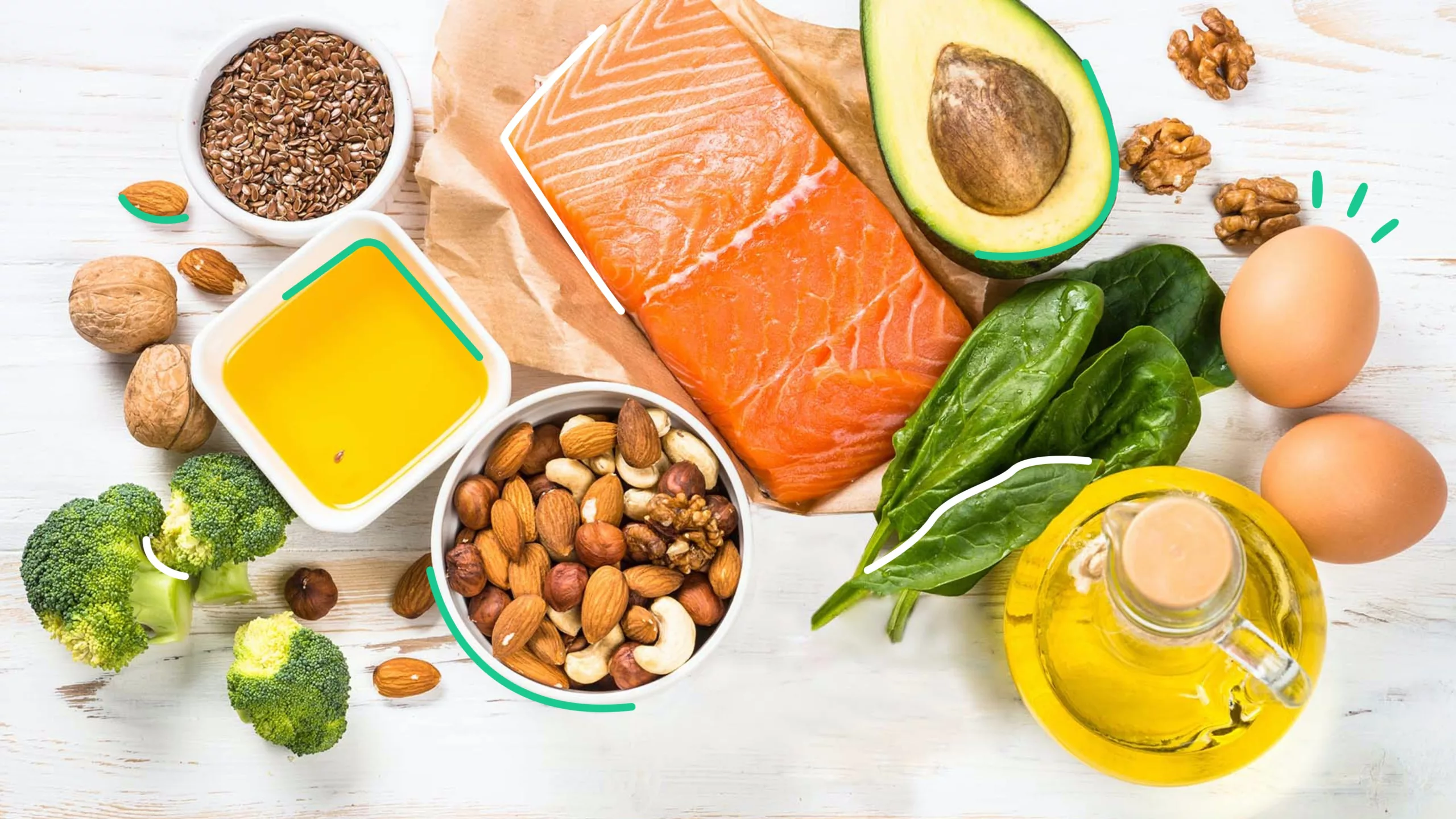
Now that you have your macros sorted out, it’s time to create a meal plan that suits your dietary needs. Focus on incorporating low-carb, high-fat foods such as meats, fish, eggs, non-starchy vegetables, and healthy fats like avocado and olive oil. Planning your meals ahead of time will not only save you time but also keep you on track with your keto journey.
With these foundational steps, you are well on your way to kickstarting your keto lifestyle. Stay tuned for more tips and tricks in the next sections of my ultimate guide to the Keto Diet!
Foods to Eat on the Keto Diet
When it comes to the keto diet, choosing the right foods is crucial to achieve your desired results. By focusing on low-carb vegetables, healthy fats and oils, as well as proteins and meats, you can create a well-rounded and satisfying meal plan that keeps you in ketosis.
Low-carb Vegetables
Low-carb vegetables are a cornerstone of the keto diet. They are packed with essential vitamins, minerals, and fiber, while being low in carbs. Broccoli, bell peppers, spinach, and cauliflower are excellent choices that can be enjoyed in various ways, whether steamed, sautéed, or roasted.
Healthy Fats and Oils
Getting enough healthy fats is another key component of the keto diet. Avocados, nuts, seeds, and olive oil should be included in your daily menu. These fats not only keep you feeling satiated but also provide essential nutrients for your body to function optimally.
Proteins and Meats
Protein is important for maintaining and building lean muscle mass. Opt for high-quality sources like eggs, fatty fish, chicken, and grass-fed beef. These protein-rich foods not only provide essential amino acids but also contribute to a feeling of fullness and help stabilize blood sugar levels.
By incorporating these foods into your keto diet, you can create meal plans that are both delicious and keto-friendly. Remember to stay within your daily macronutrient targets to achieve the best results. Happy keto eating!
Foods to Avoid on the Keto Diet
When following the keto diet, it’s important to be aware of the foods that can hinder your progress and prevent you from reaching the desired state of ketosis. In this section, I will discuss the key foods that you should avoid.
High-carb Fruits and Vegetables
Although fruits and vegetables are generally considered healthy, certain ones are too high in carbs to be included in the keto diet. Fruits like bananas, grapes, and pineapple, as well as starchy vegetables like potatoes and corn, should be limited or avoided. Instead, prioritize low-carb options such as berries, leafy greens, and cruciferous vegetables.
Grains and Starchy Foods
Grains such as wheat, rice, and oats, along with starchy foods like bread, pasta, and potatoes, are all high in carbohydrates and should be eliminated from your keto diet. These foods can spike your blood sugar levels, inhibiting ketosis and hindering your progress.
Processed and Sugary Foods
Processed foods, including chips, cookies, and processed meats, often contain hidden carbs that can kick you out of ketosis. Additionally, sugary foods like candy, soda, and baked goods are obvious no-gos for anyone following a low-carb diet.
By avoiding these high-carb foods, you can ensure that your body stays in ketosis and optimize your chances of achieving your health and weight loss goals.
Tips and Hacks for Success on the Keto Diet
Meal Prepping and Batch Cooking
One of the best ways to stay on track with the keto diet is by meal prepping and batch cooking. By spending a few hours on the weekend preparing your meals for the week, you can eliminate the temptation to reach for unhealthy options when you’re short on time or feeling hungry. Having pre-portioned meals ready to go makes it easier to stick to your macros and avoid cravings for carbs.
Hydrating and Electrolyte Balance
On the keto diet, it’s important to stay hydrated and maintain electrolyte balance. Drinking plenty of water throughout the day is crucial, especially since your body tends to excrete more water on this low-carb diet. To prevent electrolyte imbalances, consider adding a pinch of salt to your water or incorporating foods high in electrolytes, such as avocados and leafy greens, into your meals.
Easing into Ketosis
While it may be tempting to dive straight into the keto diet, it’s often best to ease into ketosis gradually. Start by reducing your carb intake over a few days rather than all at once. This way, your body can adjust more comfortably to the change and minimize potential side effects like the keto flu.
By following these tips and hacks, you’ll be well on your way to success on the keto diet. So get prepared, stay hydrated, and take it slow as you transition into this effective and fulfilling way of eating!
Conclusion
Overall, the keto diet can be a powerful tool for achieving your health goals. By limiting your carbohydrate intake and increasing your fat consumption, you can encourage your body to enter a state of ketosis, where it begins to burn fat for fuel instead of carbs. This can lead to significant weight loss and improved energy levels.
But the benefits of the keto diet go far beyond weight loss. By making sustainable lifestyle changes and sticking to the principles of the diet, you can experience improvements in your overall well-being. Many individuals find that their digestion improves, their cravings diminish, and their mental clarity sharpens while following the keto diet.
So, if you’re looking to overhaul your health and make lasting changes, the keto diet may be worth considering. Just be sure to consult with a healthcare professional before starting any new diet or exercise regimen.